

Academy Curriculum
Our approach blends structured learning with play-based discovery, using an engaging preschool curriculum to support early development and school readiness.

Research Shows Children Learn Best When Actively Engaged With Their Environment



Infants Building Early Skills Through Routine
Our infant daycare lesson plans are designed to support early development in a calm, nurturing setting where babies feel safe and cared for throughout the day.
Teachers focus on sensory exploration, tummy time, early mobility, and simple interactions that strengthen attention and connection.
Daily routines also support comfort and consistency, helping infants build trust while developing communication, learning social awareness, and reaching age-appropriate milestones at their own pace.

Toddlers Learning Through Movement and Discovery
Our daycares encourages toddlers to learn through doing, with activities that foster independence, language development, and natural curiosity.
Teachers guide children through hands-on experiences that include movement, problem-solving, and early social development.
Classroom routines help toddlers practice listening, following simple directions, and building confidence in daily tasks. As skills grow, children gain a stronger sense of independence while staying engaged and excited to learn.

Preschoolers Strengthening Core Readiness Skills
Preschool classrooms focus on building the foundational skills children need for confident learning, both now and in the years ahead.
Through guided lessons, purposeful play, and group activities, children strengthen early literacy, communication, and social-emotional development.
Teachers help children practice patience, cooperation, and classroom responsibility. These experiences build confidence, encourage curiosity, and establish routines and habits to prepare them for kindergarten.
A Step-by-Step Curriculum for Teaching Confidence
Every day at The Academy is designed with purpose. Meaningful activities and hands-on experience develop skills naturally for our children. Our teachers engage children with a variety of foundational academics, which builds up their classroom confidence with a focus on early communication problem solving and interaction with their fellow students.
Our teachers follow structured lesson plans, and are trained to adapt their teaching style as needed to meet each child’s needs. This balance supports independence, encourages curiosity, and builds a strong foundation for lifelong learning.


Learning That Feels Natural, Engaging, and Encouraging
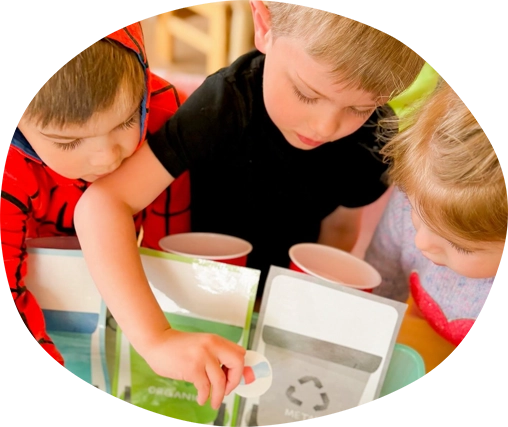
Our curriculum blends guided instruction with hands-on activities that help children explore, create, and think critically as they grow. Teachers introduce new concepts through play, small-group learning, and meaningful classroom routines that support focus and confidence.
Children earn independence and self-respect through communication, cooperation, and early problem-solving methods. The age-appropriate, consistent structure ensures that every child feels supported, included and capable, which fosters their excitement to learn new things each day at The Academy.

Open Spots Fill Up Quickly at The Academy Preschools!
If you are exploring enrollment, we encourage you to request information early. Our team is happy to share current availability, program details, and next steps for your preferred location.

FAQs
Here are a few quick answers to help you understand our curriculum and what your child will experience each day.
What curriculum does The Academy use?
The Academy uses the Frog Street curriculum as the foundation for learning across all age groups. This nationally recognized program supports early literacy, language development, cognitive growth, and social-emotional skills through structured lesson plans and hands-on learning. Teachers bring lessons to life with guided play and engaging activities, which helps children stay interested as they build essential skills for their stage of development.
How do teachers personalize learning for each child?
While our curriculum provides consistent lesson plans, teachers adapt activities to meet children where they are. Educators consider developmental milestones, learning pace, and classroom dynamics to adjust instruction and support. Tailoring the approach may include repetition, added challenges for quick learnings, or extra encouragement while trying to reach a milestone.