
Pre-K Program
Our pre-k in Nashville program supports kindergarten readiness through engaging learning, confident routines, and a nurturing classroom environment where children grow every day.

Research Shows Children Learn Best When They Are Actively Engaged in Their Environment
That is why our pre-k program in Nashville, TN, combines hands-on learning, consistent routines, and guided instruction to prepare children for kindergarten with confidence.


Early Literacy and Language Growth
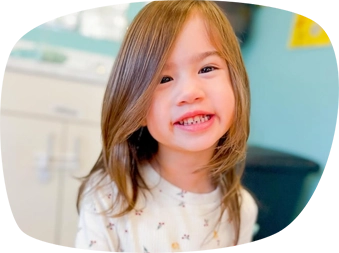
Our pre-k academy classrooms focus on building strong language skills through stories, conversation, letter recognition, and early writing practice. Children learn how to express ideas clearly, listen during group learning, and participate in meaningful discussions. These daily experiences support vocabulary growth, communication skills, and a stronger foundation for reading readiness as children prepare for kindergarten.
Math, Problem-Solving, and Early Academics
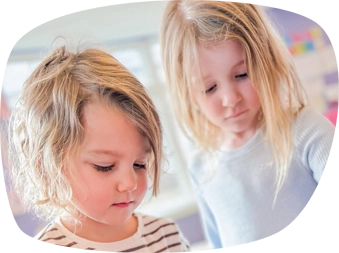
Pre-K learning includes age-appropriate math foundations such as counting, patterns, sorting, and simple number concepts. Children strengthen critical thinking through hands-on activities that encourage them to observe, compare, and solve problems independently. With teacher guidance and consistent practice, children build confidence in early academic routines while learning how to stay engaged and follow multi-step directions.
Social-Emotional Confidence and Kindergarten Readiness
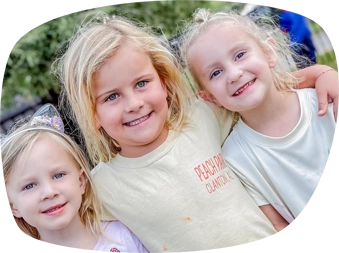
Our k-prep preschool approach supports classroom success by helping children develop independence, self-control, and positive peer relationships. Children practice taking turns, managing emotions, following schedules, and working together during group activities. These skills help children feel secure in new environments and build the confidence they need to transition into kindergarten with a strong sense of responsibility.
Pre-K That Prepares Children for Kindergarten and Beyond
Confidence, independence, and strong learning habits are built into every day.
Our pre-K program is designed to help children feel ready for the structure and expectations of kindergarten while still learning through engaging, age-appropriate activities. Children strengthen early literacy and math foundations, develop classroom focus, and build social-emotional skills through hands-on lessons and guided routines. Teachers support children in practicing listening, communicating needs, and working confidently in small groups.
With consistent expectations and a nurturing environment, children gain independence, problem-solving skills, and the confidence to take on new challenges. Families can expect meaningful progress, steady growth, and a classroom experience that prepares children for long-term success.
With consistent expectations and a nurturing environment, children gain independence, problem-solving skills, and the confidence to take on new challenges. Families can expect meaningful progress, steady growth, and a classroom experience that prepares children for long-term success.

A Pre-K Experience That Builds Strong Skills, Confidence, and Kindergarten Readiness
A structured routine with engaging learning helps children feel capable and prepared.
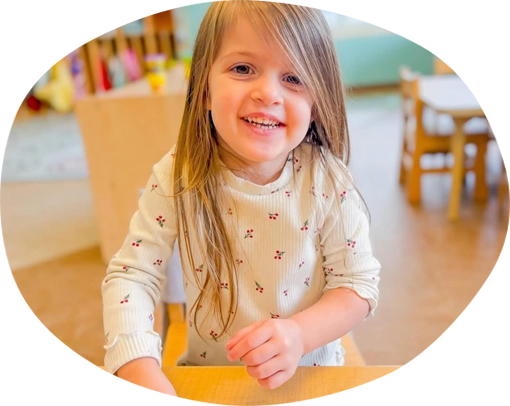
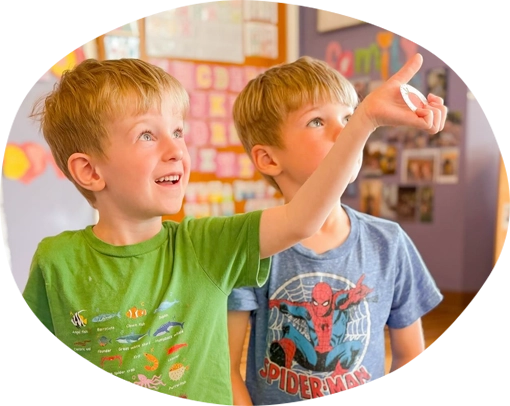
Our pre-K classroom supports children as they build the habits and skills they need for a successful transition into kindergarten. Through hands-on learning, guided instruction, and purposeful play, children strengthen early reading and math foundations while practicing attention, listening, and independence. Teachers provide consistent expectations that help children feel confident in the classroom and comfortable trying new things.
As children grow, they also develop stronger social skills, communication, and self-control through group activities and daily routines. This supportive environment helps children feel ready for the next stage, both academically and emotionally.
As children grow, they also develop stronger social skills, communication, and self-control through group activities and daily routines. This supportive environment helps children feel ready for the next stage, both academically and emotionally.

Open Spots Fill Up Quickly at The Academy Preschools!
If you are planning for pre-K, we encourage you to request information early, so our team can share availability, program details, and next steps for your preferred location.

FAQs
Review the questions below for quick clarity on our pre-K approach, enrollment details, and how we prepare children for kindergarten.
What ages are in the pre-K program?
Our pre-K program is designed for children preparing for kindergarten and ready for more structured learning routines. Age ranges can vary slightly by location and enrollment timing. Pre-K classrooms focus on building confidence, independence, and early academic foundations in a way that still feels engaging and age-appropriate. To confirm eligibility and openings, we recommend requesting information for your preferred Academy center.
What skills does pre-K focus on the most?
Pre-K supports early literacy, math foundations, communication, and social-emotional development. Children practice letter recognition, early writing, vocabulary growth, counting, patterns, and problem-solving through hands-on activities. They also build classroom readiness skills such as listening, following routines, taking turns, and working in groups. This balanced focus helps children feel confident, capable, and prepared for kindergarten expectations.
How is your pre-K program different from preschool?
Pre-K includes more structured learning goals and routines while still maintaining a play-based approach. Children participate in activities that support longer focus, stronger independence, and more advanced early academic concepts. Teachers guide children through tasks that build responsibility, communication, and classroom confidence. The goal is to develop a smooth transition into kindergarten by strengthening foundational skills without putting pressure on children to learn too fast.
How do you support social-emotional growth in pre-K?
Social-emotional development is a significant part of kindergarten readiness. Children practice sharing, cooperation, patience, and emotional regulation through group activities and daily routines. Teachers support children in using words to express their needs, manage their frustrations, and build positive friendships. These skills help children feel secure in new environments and give them the confidence to participate fully in classroom learning and social settings.
How can parents support kindergarten readiness at home?
Simple routines at home make a big difference, including reading together, practicing independence, and encouraging children to communicate clearly. Parents can support readiness by letting children complete small tasks on their own, such as cleaning up, dressing, or following simple directions. We also recommend consistent sleep and morning routines. Our team is happy to share tips based on your child’s age and development.